E-journal "Global Society Review"
Summary of vol.6
The Global Society Review Vol. 6 focuses on the theme of “Education ×Inclusivity” and features a roundtable discussion organized by the Osaka Prefectural Board of Education, together with academic articles, reports, essays, and other contributions.
1. The roundtable discussion introduced the initiatives and future directions of the OSAKA Multicultural Coexistence Forum. Osaka has implemented advanced support measures for children with foreign roots, including the designated “waku-ko” school system and the placement of multicultural education coordinators. Through the “waku-ko” system, students who are not proficient in Japanese can gain admission based on their abilities in their native language, mathematics, or English, thereby ensuring diverse learning opportunities. Systems for educational and career guidance have also been established to respond carefully to each student’s background, residency status, and family circumstances. The discussion concluded with a sincere commitment to pursuing an education in which no one is left behind and no child is deprived of rights because of their social background.
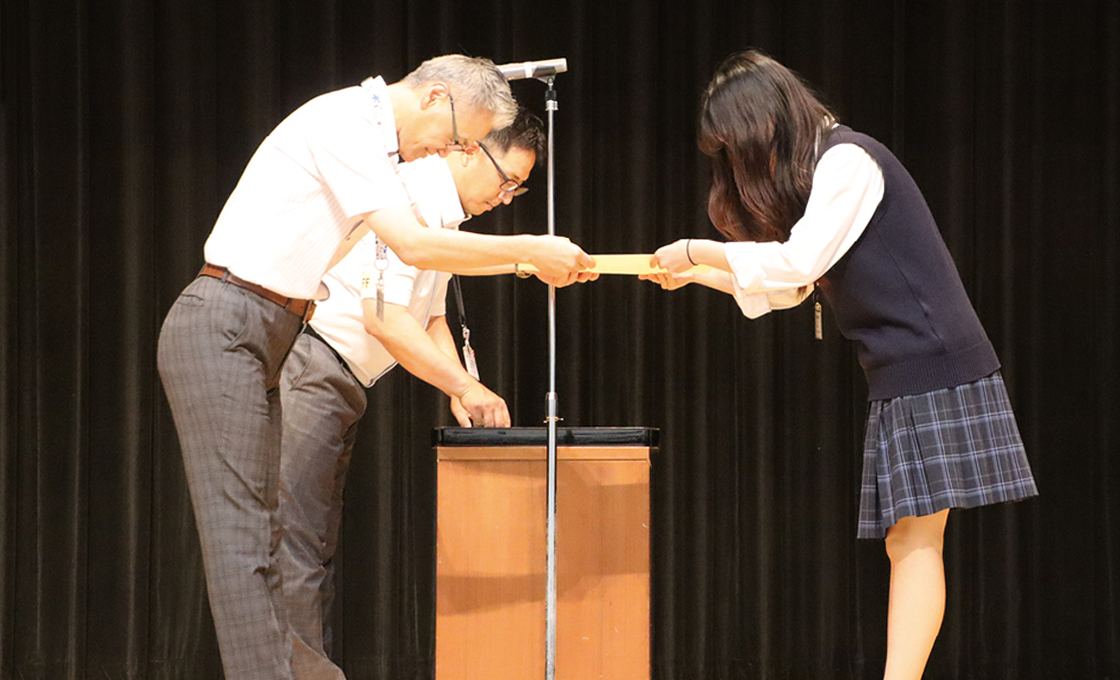 OSAKA Multicultural Coexistence Forum 2025
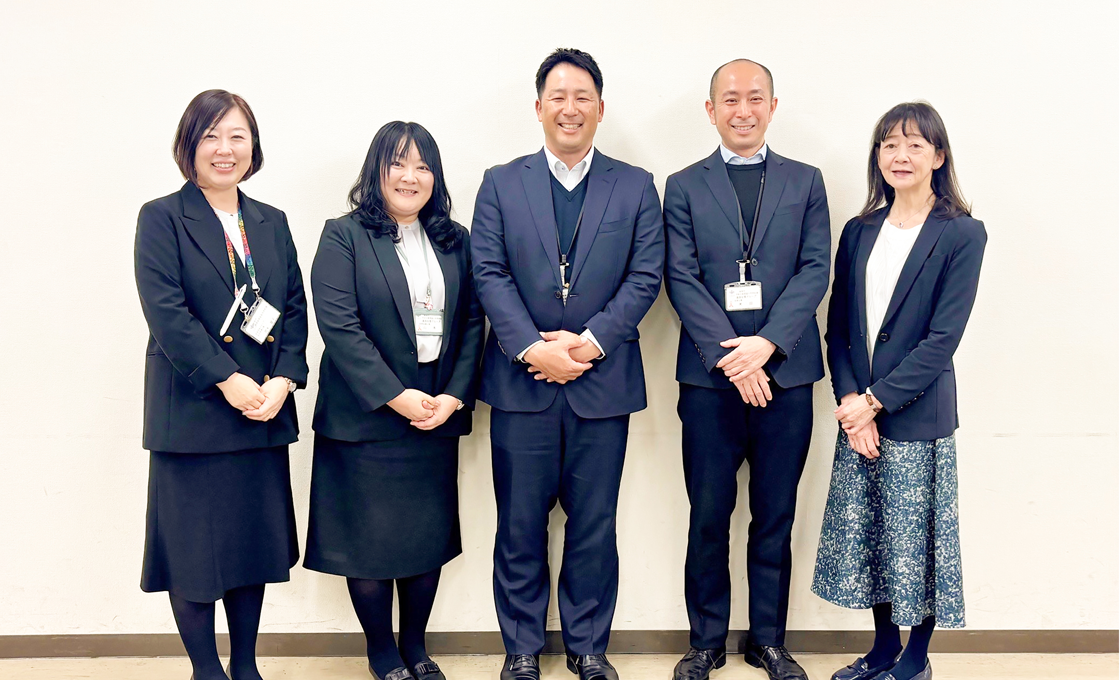 Osaka Prefectural Board of Education Roundtable Discussion
2. One of the three academic articles analyzes the significance of career education for students with foreign connections in Japanese high schools. It reveals institutional and social barriers, such as residency status and scholarship systems, that cannot be overcome through individual effort alone. While career education in Japan emphasizes independent career choice, the article considers it a key issue that the necessary preconditions for such choices are distributed unequally among students with foreign roots.
The second article discusses challenges and proposals for multicultural coexistence education. It points out that relying only on the diversity slogan “Everyone is different, and everyone is good” risks concealing power relations between majority and minority groups as well as inequalities in social structures. The article introduces concrete classroom practices and educational approaches aimed at barrier-free access and universal design.
The third article examines issues faced by foreign-national teachers working in public schools. Although they are treated as full-time instructors without fixed-term appointments, paths to management positions and promotion remain unavailable to them. The article interprets these restrictions as stemming from institutional systems deeply rooted in Japanese society, and argues that genuine inclusivity requires confronting historical and political realities and correcting institutional inequalities.
3. The report section introduces initiatives such as Projeto Construir ARTEL in Sakai City, Osaka, where foreign residents lead heritage language classes and learning support. These efforts create safe spaces where children can value their languages, cultures, and identities, regain confidence, and develop hope for the future.
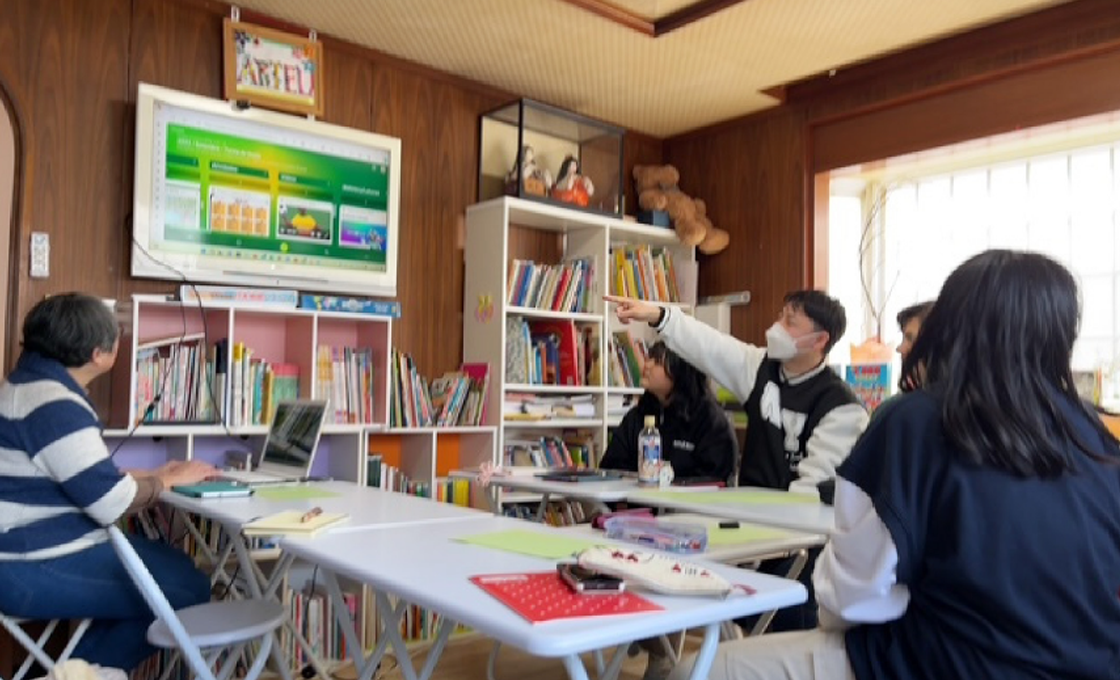
Heritage Language Class
4. The relay talk section introduces community- and citizen-led initiatives for multicultural coexistence, such as the online Japanese-language salon “Irori,” which create spaces for exchange and help reduce loneliness and social isolation.
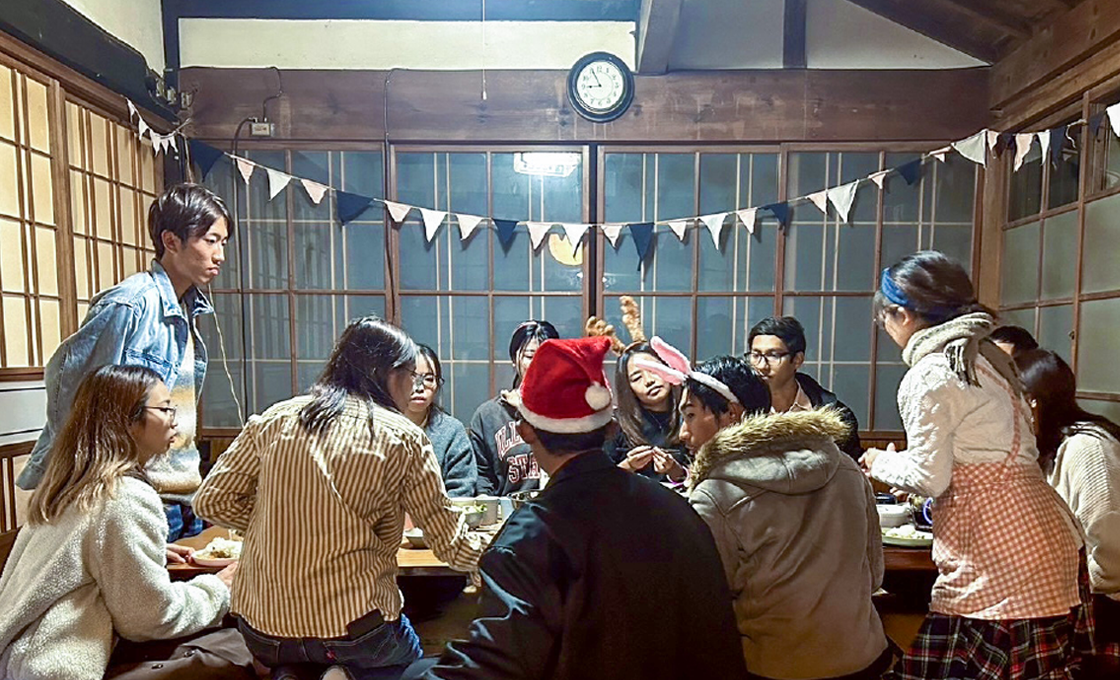
Japanese Language Salon “Irori”