The Hitachi Global Foundation Scholars Spotlight
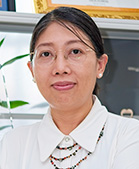
Kinnaleth Vongchanh
Dr. Lecturer-Researcher and Head of the Thermal Laboratory
Department of Industrial and Mechanical Engineering / Research and Innovation Center, Institute of Technology of Cambodia
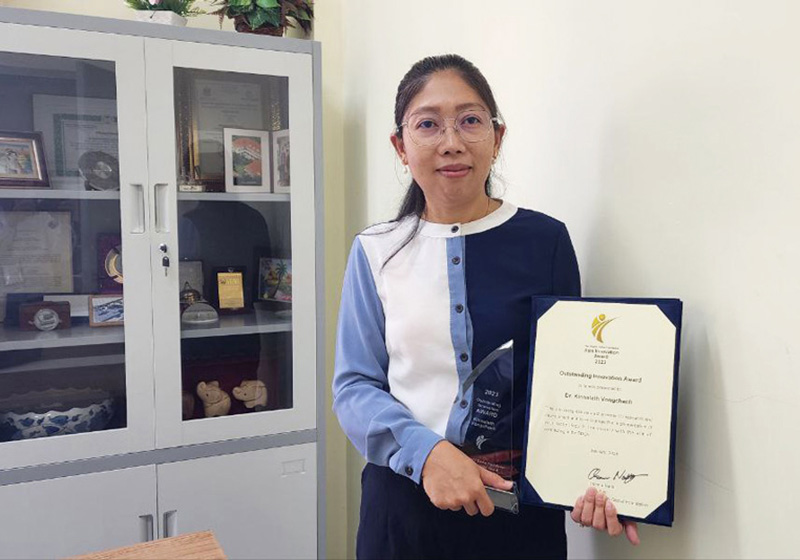
The Hitachi Global Foundation Asia Innovation Award Outstanding Innovation Award Winner for 2023
Interview
Please tell me about your current occupation or activities.
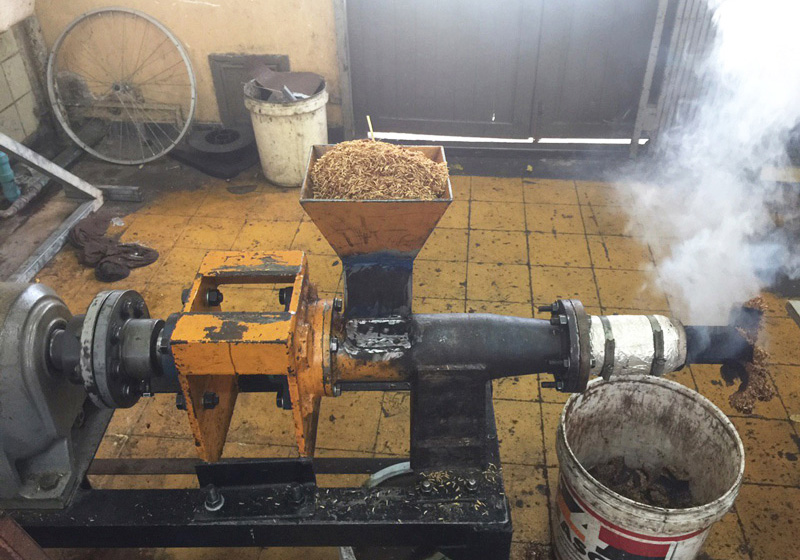
I am a lecturer-researcher at the Institute of Technology of Cambodia, where I lead research on energy efficiency and energy policy, waste-to-energy through biomass briquettes, heat stress, solar drying, and passive cooling design. Each topic begins with a real Cambodian problem: rising energy demand, agricultural waste with nowhere to go, and communities increasingly exposed to heat. Working with international partners, my team turns laboratory findings into evidence that supports national policy and practical solutions. What motivates me most is seeing research leave the laboratory and reach the people it was meant to serve.
How have scholarships or awards influenced your career and life?
My scholarship to Japan in 2007 taught me how research is done; The Hitachi Global Foundation Asia Innovation Award taught me what research can become. The Award was more than recognition of past work. It built trust and confidence, in my team and in myself, and gave our biomass briquettes credibility far beyond the laboratory. It also marked the beginning of a harder journey: moving a research finding toward commercialization, where budget constraints and investment strategies with partners become the real challenge. An award opens the door; the work of walking through it continues every day.
If your work or research has further developed since your involvement with The Hitachi Global Foundation, could you please tell us:
In what ways has your research or project evolved or expanded?
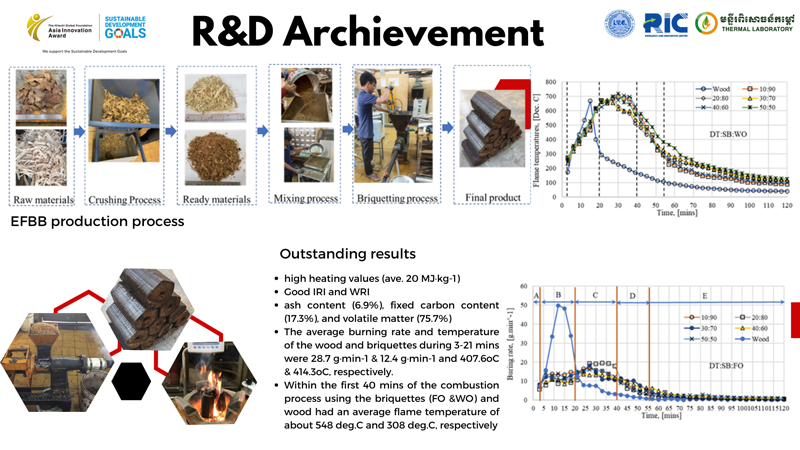
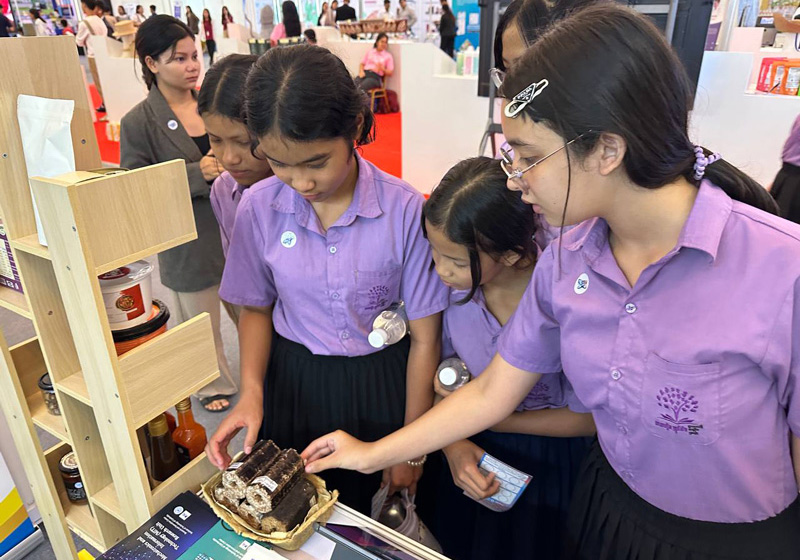
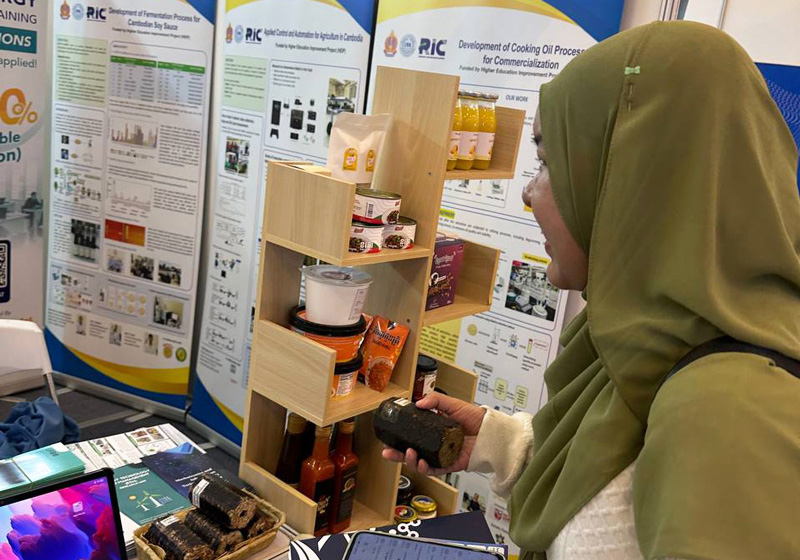
Since the Award, our biomass briquette work has moved from proving a concept to preparing a product. We have refined the formulation and production process, tested fuel performance and emissions, trained students and technicians, and confirmed that waste which once had no value can serve as a reliable household and industrial fuel. The research has also expanded outward: it now connects with our wider work on energy efficiency and national energy policy, and it has drawn interest from partners who see biomass not as an academic subject but as a genuine business opportunity.
What are your future plans or goals for this work?
As a researcher, my goal has never ended with the research finding. After years of work, I want to see the results become useful to society. My expectation is that our biomass briquettes become a real product used in our society, and that the journey itself serves as an example for young researchers, showing them that their work can reach the market. My immediate focus is commercialization: building relationships with stakeholders and investors who can bring this technology to scale, so that a laboratory result becomes an everyday fuel across Cambodia.
If you have any memorable experiences or impressive events during your study abroad or research, please share them.
Sapporo, Hokkaido, in winter: cold beyond anything I had known. During a week-long snowstorm, I ran an experiment alone in the laboratory, sixteen to twenty hours a day. I slept there, ate there, and worked surrounded by measurement devices, the only Lao woman in the university, watching the snow pile against the windows. It was exhausting and, at times, lonely. But the story has a happy ending: the data was obtained successfully. That week taught me that research rewards persistence more than comfort, and I have carried the lesson through every project since.
If you have any favorite Japanese words, Japanese songs, or places in Japan, please share them along with a brief episode.
“Ohayō gozaimasu” was my first word every morning in Japan, and “Arigatō gozaimasu” the one I used most; small phrases carrying an entire culture of respect. Of all the places I love, Sapporo comes first. Hokkaido University is where I lived my PhD research period, and I have not been able to return since 2008. Yokohama is my second place in memory; whenever I visit Tokyo, I make time to go there. Japanese words and Japanese places both keep a part of my younger self alive.
If you have any other message you would like to convey to the Hitachi Scholars (The Hitachi Scholarship Alumni and the Hitachi Global Foundation Asia Innovation Award Awardees), please share it.
To The Hitachi Global Foundation and to my fellow awardees: thank you. This award is more than a prize. It is a symbol of trust, a global reference that tells others our work is worth believing in. My hope is that our community does not stop at recognition. I would be glad to meet fellow Scholars, to exchange experiences, and to explore collaboration across our countries and fields. We share a rare starting point; let us use it to build something lasting for the region we come from.
Picture Gallery
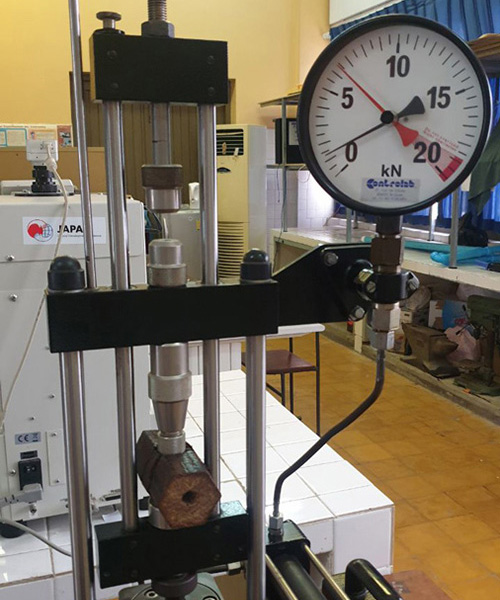
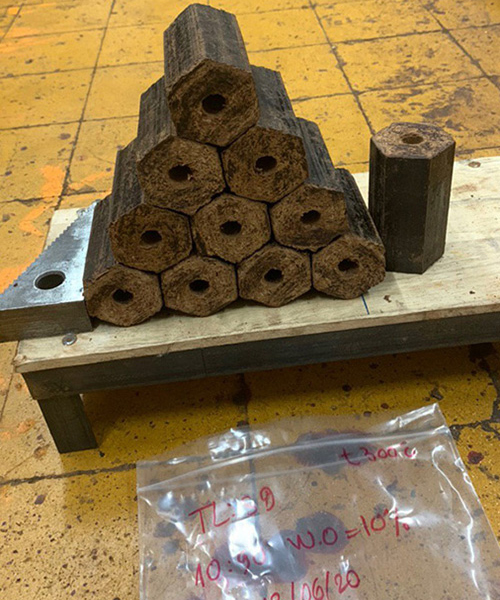
Highlights capturing the journey of our research—from daily activities at the Thermal Laboratory to the receipt of the Hitachi Global Foundation Asia Innovation Award and various ongoing engagements.
This English newsletter, published several times a year, shares updates from The Hitachi Global Foundation, including recent activities and news from our Scholars. If you're interested, we warmly invite you to subscribe!
Contact
The Hitachi Global Foundation
Office of The Hitachi Global Foundation Asia Innovation Award